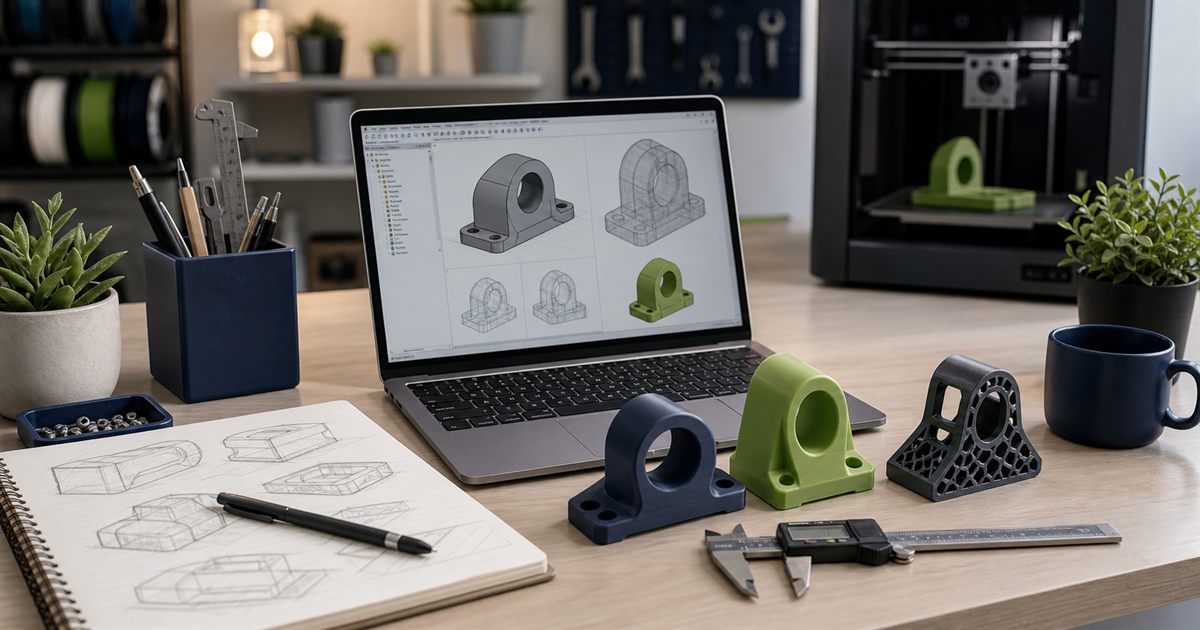
 AI + CAD Workflow
How We Use AI and 3D Design Automation for Custom Print Work
How Post Craft combines OpenSCAD, FreeCAD, Blender, and AI-assisted workflows to move from concept to print-ready files and customer-facing visuals.
Practical 3D printing guidance for custom parts, local service buyers, small-batch product runs, and business teams.
Start here for our current workflow story: AI-assisted design automation, NFC-enabled smart prints, and product care and handling.
AI + CAD Workflow
How Post Craft combines OpenSCAD, FreeCAD, Blender, and AI-assisted workflows to move from concept to print-ready files and customer-facing visuals.
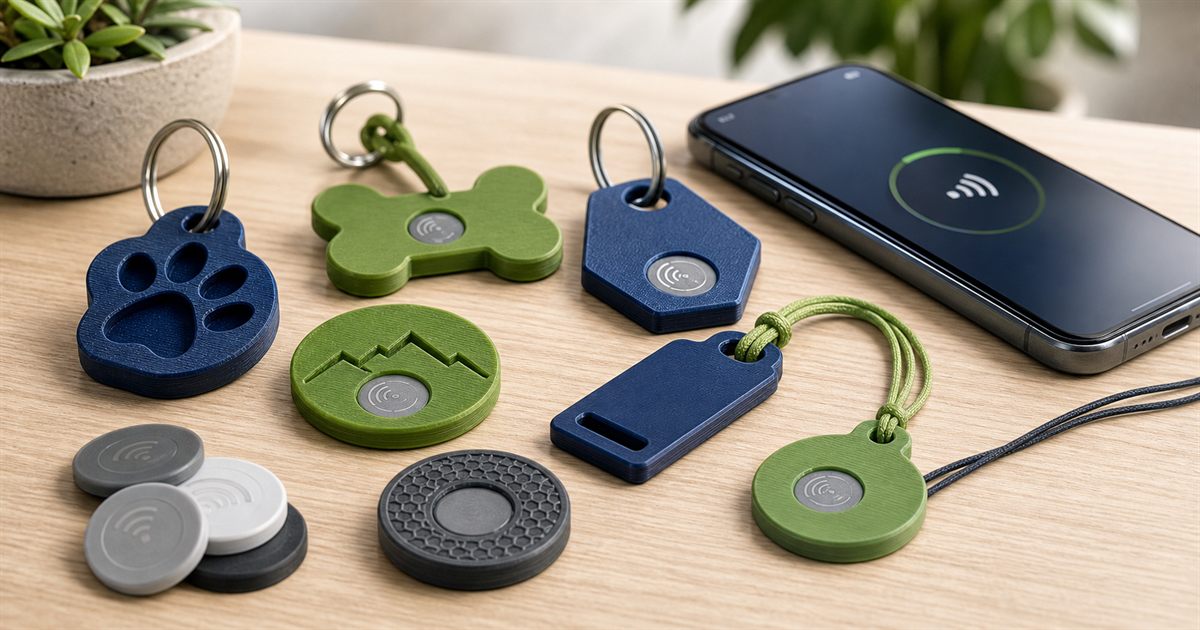 NFC + Smart Prints
How embedded 25mm NTAG215 NFC coins can add tap-to-open links, contact info, WiFi, text, and smart actions to custom keychains, pet tags, backpack tags, and tokens.
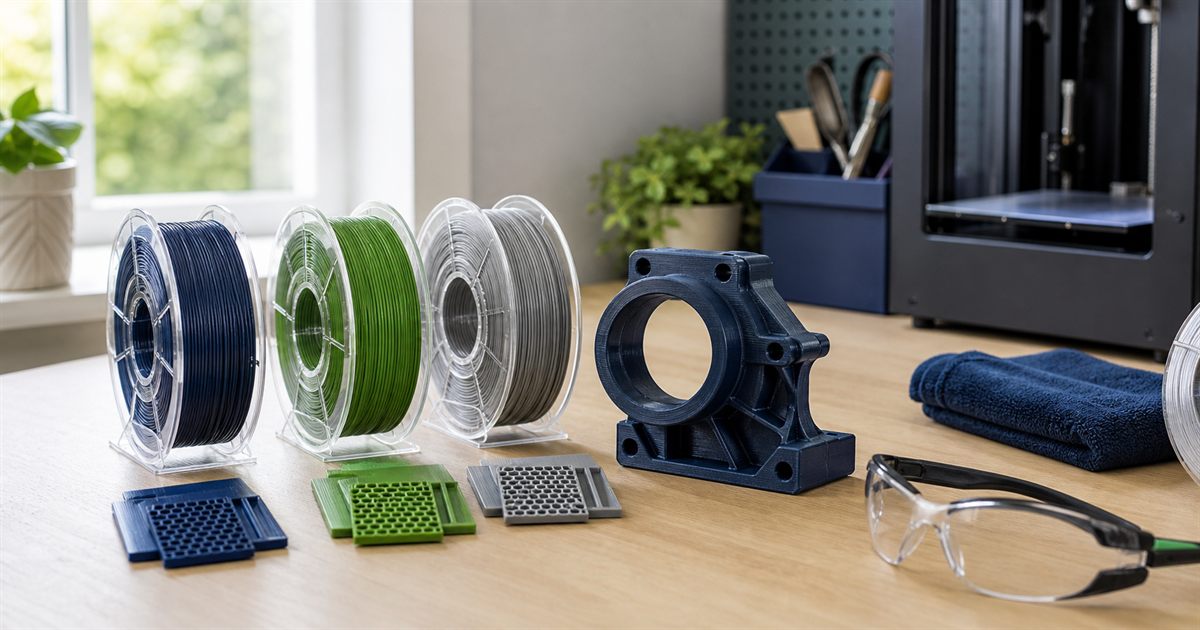 Product Care
What our product care PDF covers, plus deeper guidance on heat, food-contact limits, pets, kids, post-processing, cleaning, and safer material selection.
These are Supabase-style published articles that are not part of the static article grid below. If Supabase is unavailable, this section uses the local fallback cache.
Checking live blog posts.
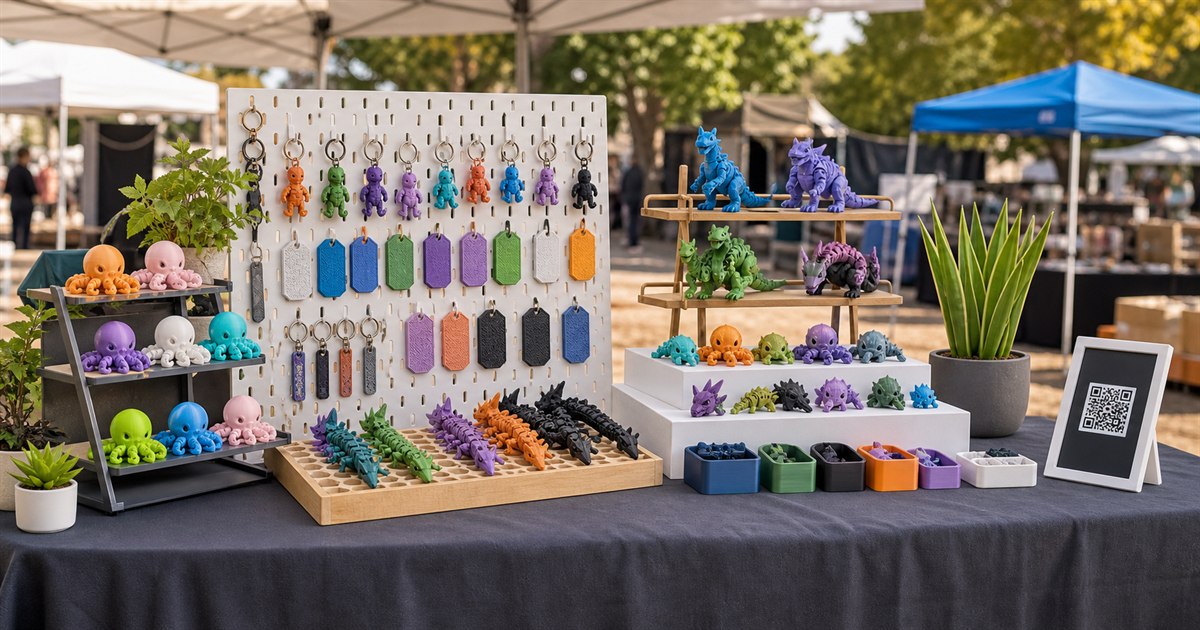 Vendor Growth
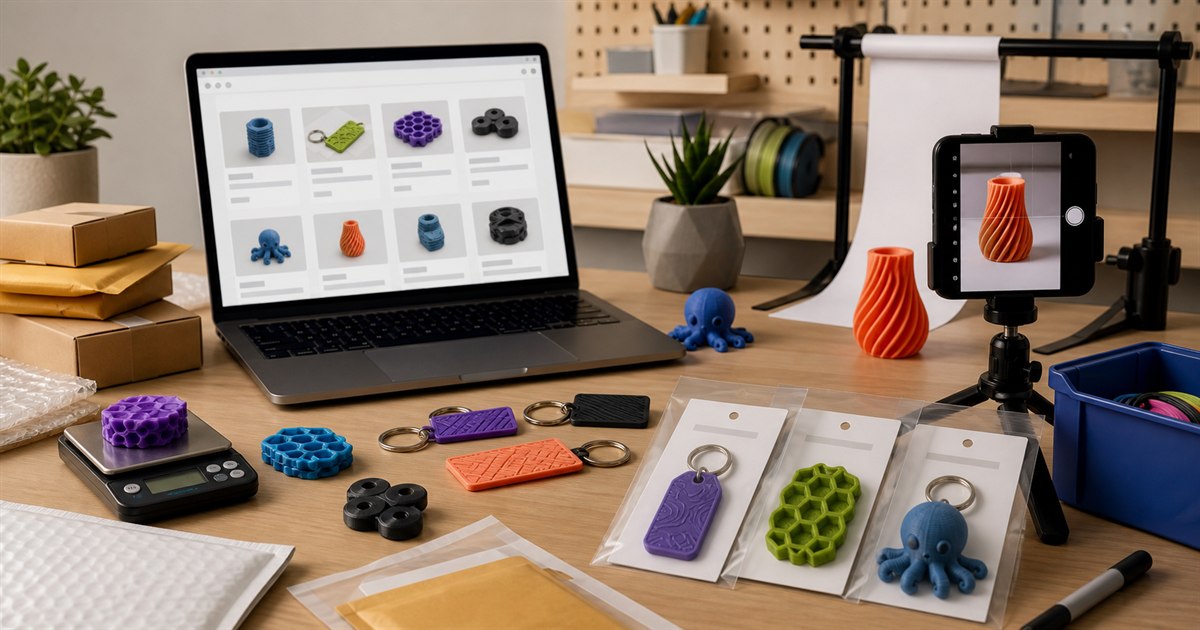
Booth setup, display strategy, inventory selection, pricing, and payment tips for selling 3D printed products at flea markets and festivals.
 Marketplace
A platform-by-platform guide to fees, product fit, photography, licensing, and choosing the right online sales channel.
 Pricing
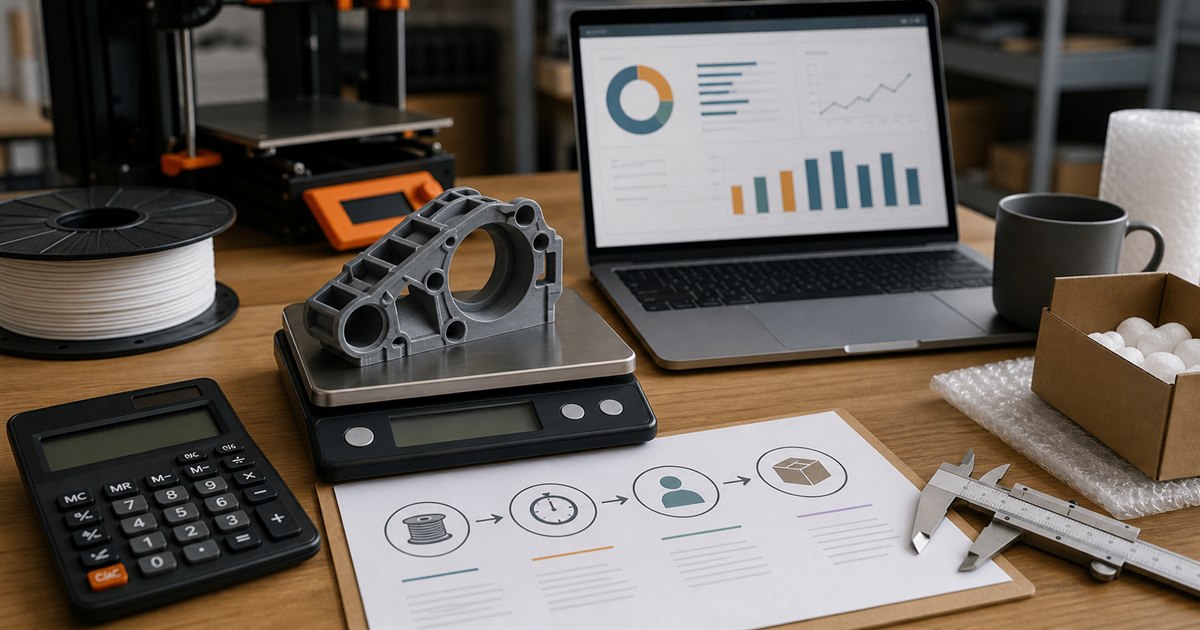
A practical pricing framework covering material, machine time, electricity, overhead, labor, failure rate, and margin.
 Materials
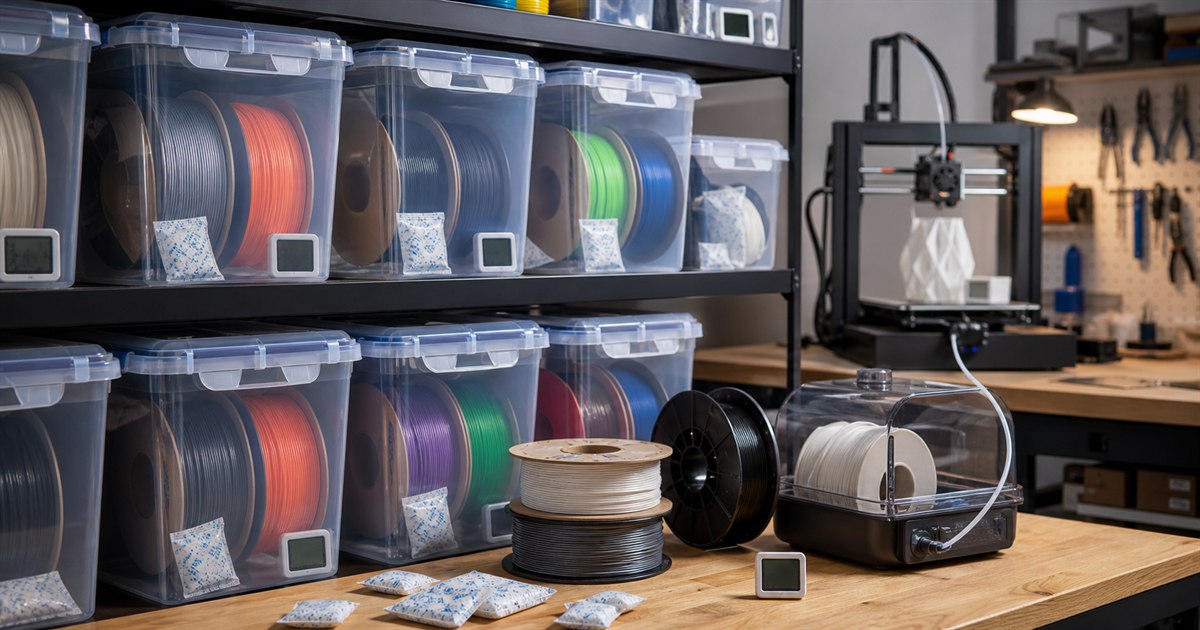
How moisture affects filament, which materials absorb it fastest, and how to store and dry spools for cleaner production work.
 Law + Policy
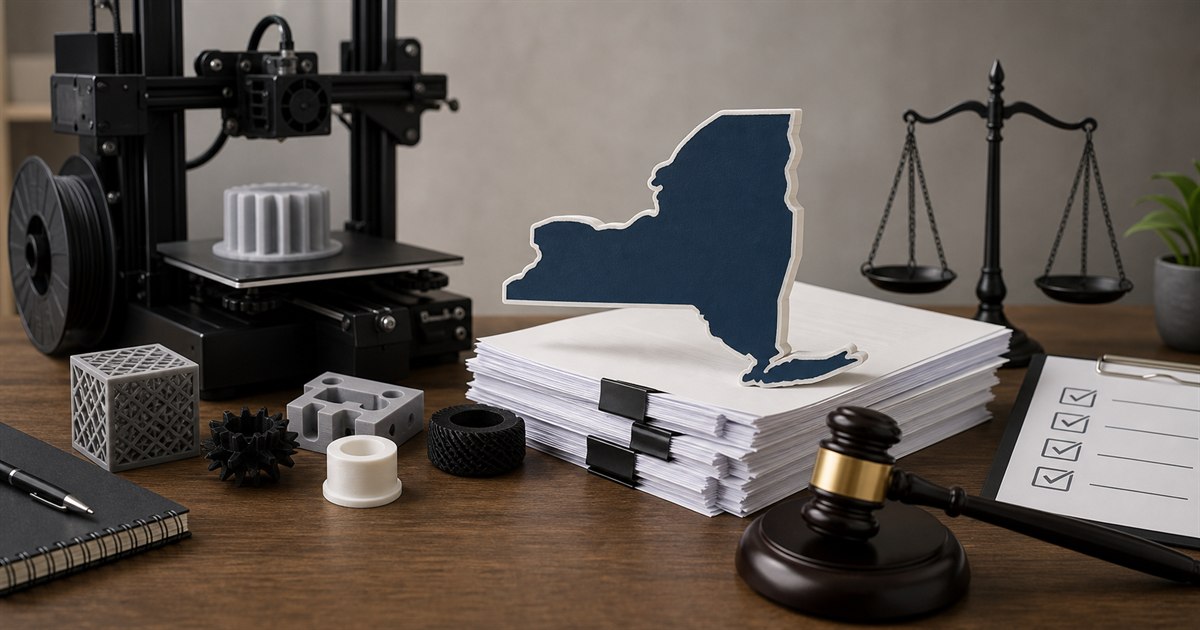
What the enacted New York law requires for printer manufacturers, digital file sharing, and ordinary legal print shops.
 Quality
Common failure types, responsibility boundaries, communication habits, and what a fair reprint policy should cover.
 Products
Why print-in-place flexi toys and fidgets work at markets, how they are made, and what to know before selling them.
 Law + Policy
A practical overview of California's existing ghost gun framework, 2026 proposals, and relevance for legal 3D print shops.
 Licensing
What Personal Use Only, Commercial Use Allowed, Creative Commons terms, and commercial rights mean before selling printed items.
Product CareGo deeper than the handout with practical notes on handling, heat, food-contact limits, sanding dust, pets, kids, and material selection before ordering.
 Workflow
How our printer and material-handling setup supports cleaner custom-order workflows, color planning, repeat batches, and customer expectations.
 B2B
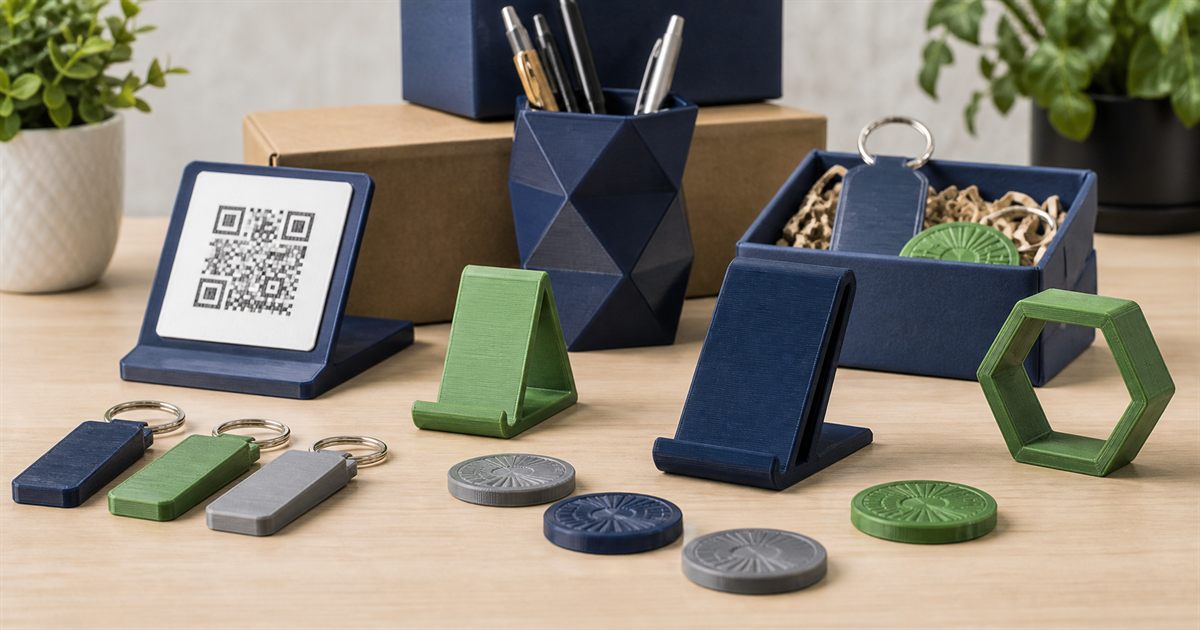
B2BHow businesses can scope useful branded giveaways, QR/NFC displays, conference pieces, and promo products people actually keep.
 Events
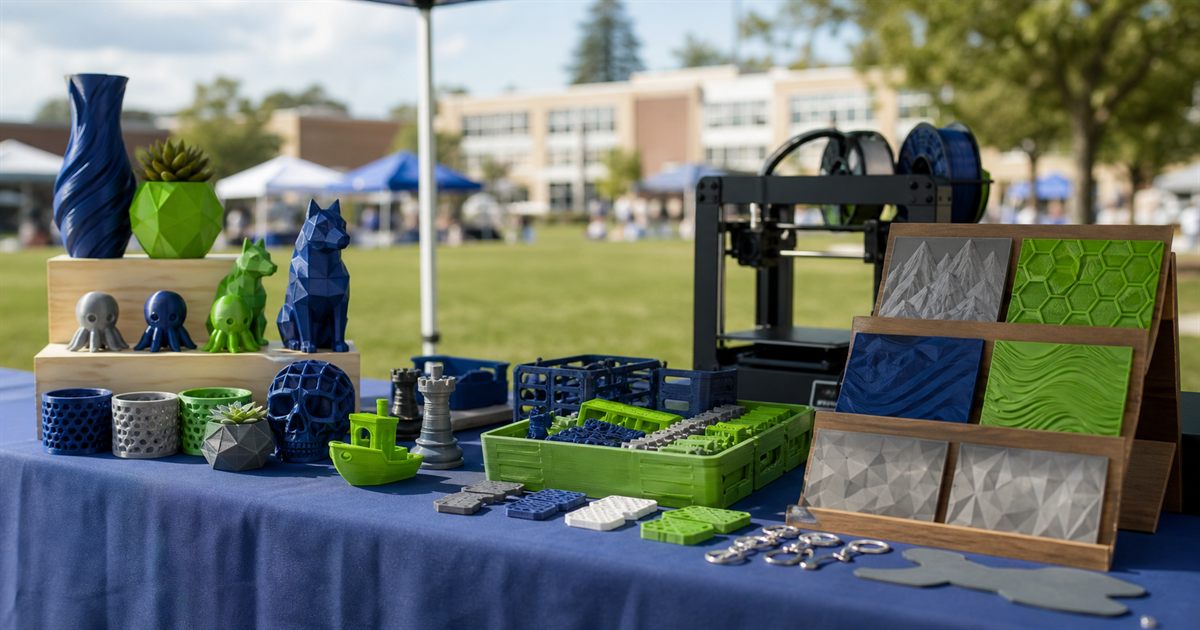
What event organizers should send when inviting a 3D printing vendor to a school fair, town day, pop-up, market, or community event.
 Bulk Orders
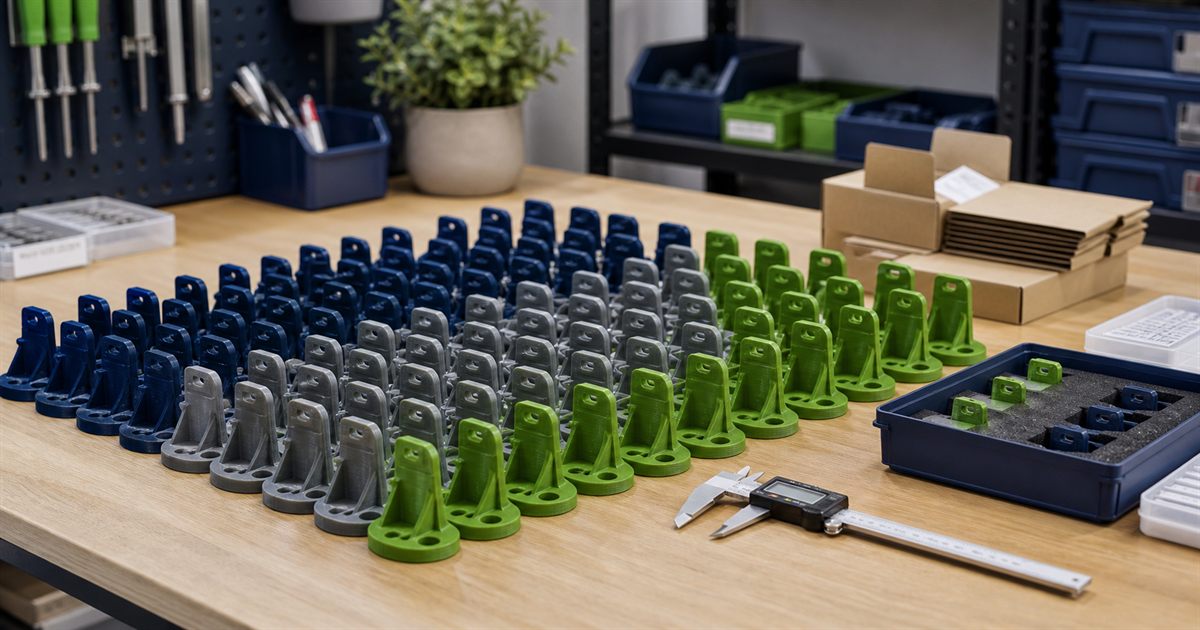
How to scope small bulk runs for vendors, creator shops, business giveaways, event favors, and repeat inventory.
 Small Business
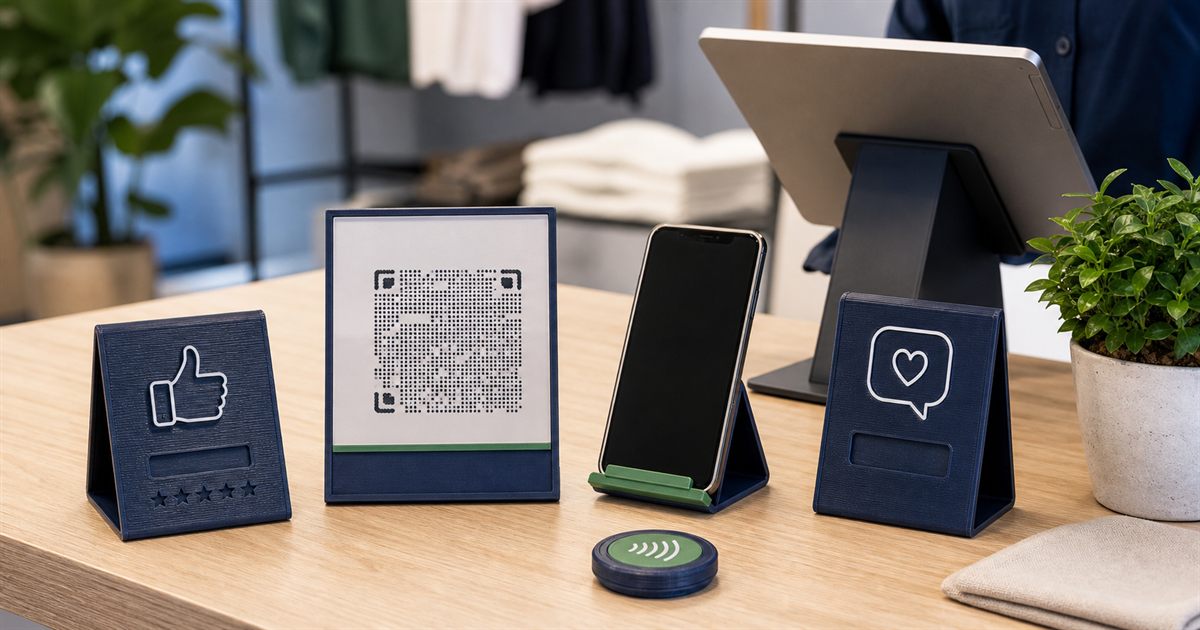
Ideas for QR signs, NFC tap points, payment displays, review prompts, booking stands, and social follow plaques.
 Vendor Materials
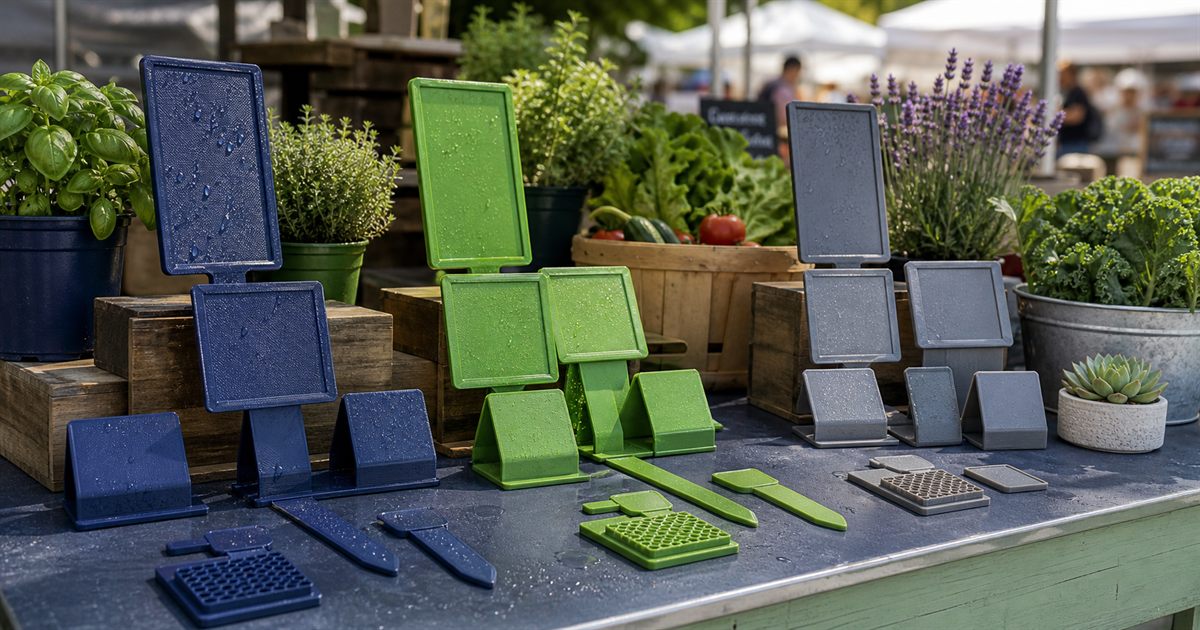
How market vendors should choose materials for table signs, product tags, outdoor displays, and seasonal inventory.
 Safety
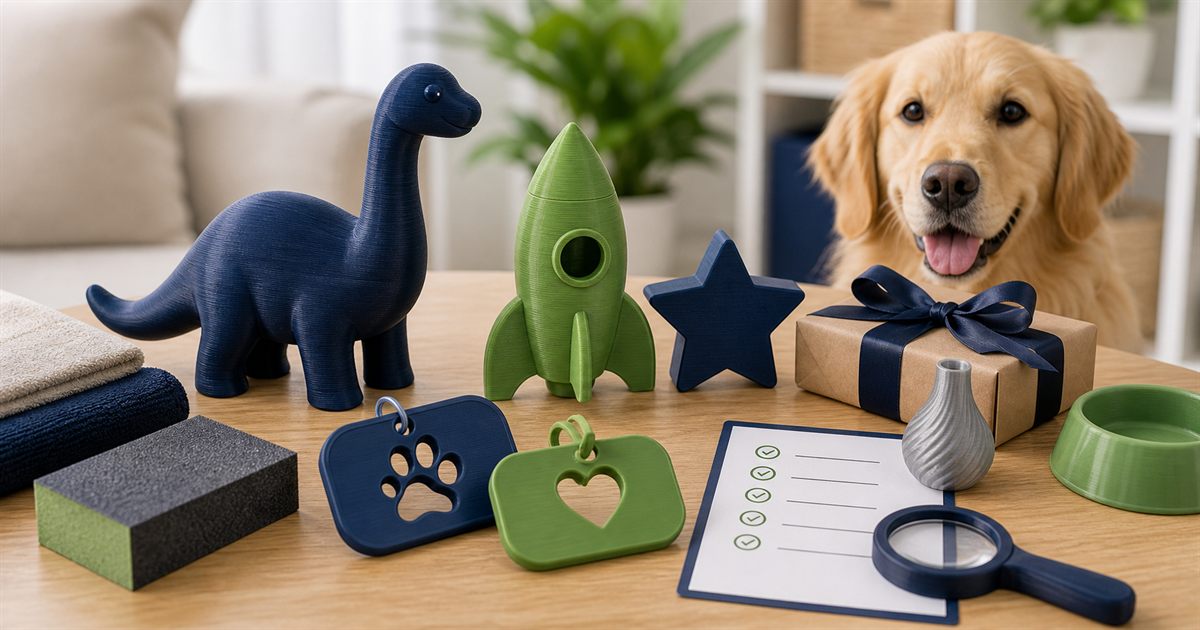
How to think about choking hazards, chew risk, sharp edges, heat, cleaning, and material choice for gifts and pet-adjacent prints.
 Materials
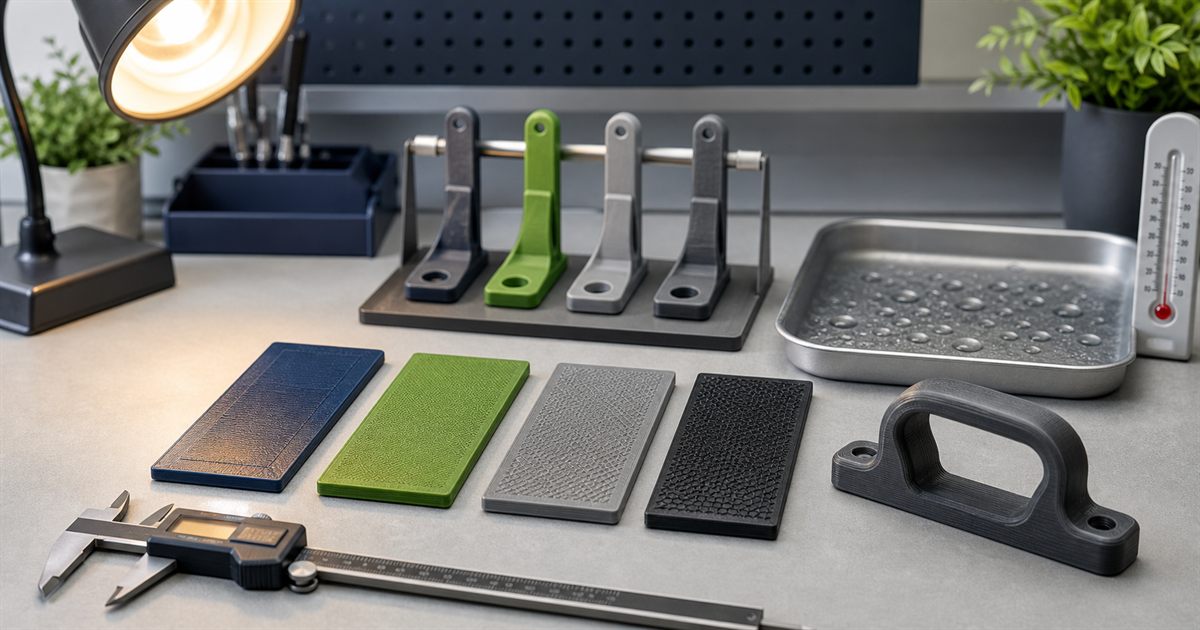
A practical material-selection guide for parts that may see heat, sunlight, moisture, repeated handling, flex, or daily use.
How physical-location scan signs can help customers follow, review, pay, book, and save contact info from a reception desk or checkout counter.
How embedded 25mm NTAG215 NFC tags can add tap-to-open links, contact info, WiFi, text, and smart actions to custom prints.
A plain-language overview of New York's proposed printer safeguards, digital-file restrictions, recovered-gun reporting, and implementation questions.
Real customer-focused examples for homes, pets, repairs, vendor booths, gifts, prototypes, and small businesses.
A simple material picker for custom parts based on heat, outdoor exposure, flexibility, strength, and cost.
What to send for personalized names, colors, sizes, quantities, pickup, shipping, and deadlines.
How to tell whether a broken plastic part is a good print candidate and what intake details speed up a quote.
Low-risk products, display tools, logo pieces, and batch-testing tactics for vendors and local sellers.
When mass-produced products are cheaper, when custom printing wins, and what actually drives quote cost.
A beginner-friendly guide to sending photos, sketches, CAD files, reference links, and measurements.
A March 2026 breakdown of what Washington's official bill summaries actually say about ghost guns, code, and machine-level printer restrictions.
Compare PETG and ASA for exterior parts that need to handle UV, direct sun, summer heat, rain, and long-term weather exposure.
How photo capture, scanning, mesh cleanup, and CAD remodeling fit together when you want to recreate or edit a real-world object for 3D printing.
How AI vision, image-to-3D tools, Blender, and CAD remodeling are shrinking the path from real object to printable part.
What actually matters for kitchen and food-contact prints, from filament and nozzle choice to coatings and when not to do it.
Know when easier everyday filaments stop being enough and a more demanding engineering material is worth it.
What OpenAI agent workflows can realistically do for script-driven geometry, exports, and printable file generation.
Use Claude with MCP-connected Blender workflows to build, revise, and export mesh-based design files faster.
How AI is moving from design assistant to workflow layer across file generation, prep, and print operations.
Use practical wall, clearance, hole, and orientation rules so functional parts print cleaner and assemble better.
Build a repeatable workflow for cleaner customer-facing parts instead of overworking every print by hand.
Reduce breakage and scuffing with better box sizing, internal restraint, and repeatable pack-out habits.
How quoting, file review, materials, lead times, and delivery should work with a serious print partner.
How to submit broken-part jobs with better fit notes, material choices, and fewer revision loops.
Build a tighter SKU mix, improve restocks, and avoid overprinting inventory that does not move.
Plan useful branded items, booth tools, and repeatable event runs instead of disposable swag.
Prepare clean retail assortments with packaging discipline and easy reorder paths.
Compare indoor use, heat exposure, daily wear, and outdoor durability without overcomplicating the choice.
Understand setup, machine time, material, finishing, and why repeatable batches quote better.
A realistic fast-turn workflow from intake and first article to revision, production, and shipment.
Know when to send STL, 3MF, or STEP and what fit notes keep your quote from slowing down.